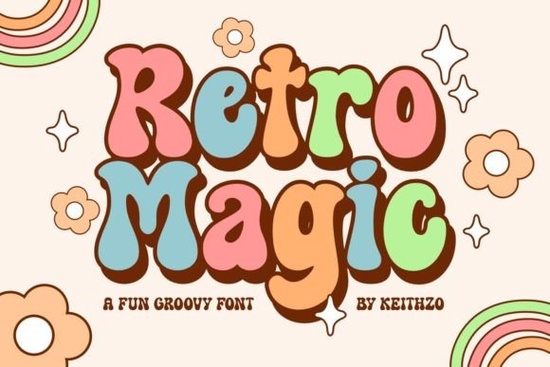
Designers often search for typefaces that balance nostalgia with modern usability. The Retro Magic Font offers exactly that blend. It is a versatile, stylish, and playful retro display font perfect for a wide spectrum of applications such as greeting cards, headlines, and many more. Whether you are creating invitations or branding materials, this typeface adds a romantic and exquisite feel to your work. It stands out because it captures the warmth of past decades without sacrificing readability on modern screens or print materials.
What Projects Work Best with This Typeface?
When selecting a display font, context matters. This specific style shines in projects that require a touch of personality without being too loud. For example, it is an excellent choice for wedding invitations where a romantic vibe is essential. The curves and weight of the letters provide enough presence for headlines while maintaining an elegant flow. If you are working on greeting cards, this font helps convey emotion instantly. It also works well for packaging labels on handmade goods, giving them a boutique appearance.
For those creating assets for younger audiences, you might want to compare this with other options. While this font has playful elements, you can also explore playful options for children's projects if you need something specifically tailored for kids' books or toys. However, for general lifestyle branding, the exquisite feel of this retro style remains a top choice for small businesses looking to establish a unique identity.
How Do You Pair It with Other Fonts?
Pairing display fonts requires a bit of trial and error. Since this typeface has strong character, it needs a partner that does not compete for attention. A clean sans-serif works well for body text, but if you want to maintain the vintage aesthetic, a classic serif is often better. You might consider elegant serif companions to balance the boldness of the headlines. This combination ensures that your design feels cohesive rather than cluttered.
Another popular strategy is mixing display fonts with scripts. If you enjoy using script fonts for signatures or accent words, look for duo options that include both styles. For instance, checking out script pairings like Selina Daniel can give you ideas on how to mix weights effectively. The goal is to create hierarchy. Use the retro font for the main message and a simpler typeface for the details like dates, addresses, or ingredient lists.
Is It Suitable for Vintage Designs?
Yes, this typeface is inherently designed for vintage themes. It captures the essence of mid-century aesthetics, making it ideal for posters, t-shirts, and retro-themed events. If you are building a brand around nostalgia, consistency is key. You should browse through classic vintage collections to find supporting graphics that match the tone of the typography. Icons, borders, and textures should all feel like they belong to the same era.
However, not every vintage project needs the same look. Sometimes you need something sharper or more athletic. In cases where you need a stronger, more structured look, you might compare it against athletic style lettering. While the retro magic style is romantic and soft, varsity styles are bold and rigid. Understanding this difference helps you choose the right tool for the job. For soft goods like blankets or nursery decor, the softer retro style is usually the winner.
What Should You Check Before Downloading?
Before adding any new typeface to your library, verify the file formats. Most professional fonts come in OTF or TTF formats, which work across Windows and Mac. Ensure the license covers your intended use, especially if you are selling products like print-on-demand shirts. Many designers forget to check commercial rights until after they have started a project. Always read the license file included in the download folder.
Additionally, test the kerning. Display fonts often have unique spacing requirements. Type out your specific headline to see if the letters sit well together. You may need to adjust tracking in your design software to achieve the perfect look. This small step prevents awkward gaps that can ruin an otherwise beautiful layout.
Quick Design Checklist
- Verify License: Ensure commercial use is allowed for your specific product.
- Test Pairings: Try the font with a simple serif or sans-serif before finalizing.
- Check Legibility: Print a sample at actual size to ensure readability from a distance.
- Match Assets: Use vintage graphics that complement the era of the typeface.
- Save Variations: Keep copies of your design with different tracking settings.
Taking these steps ensures your final product looks professional and polished. By choosing the right typography, you set the tone for your entire project before a single image is placed.
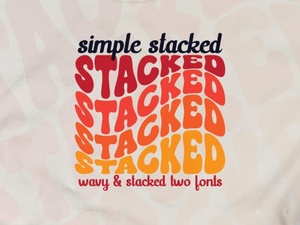 Easy Stacked Typography Design Tutorial
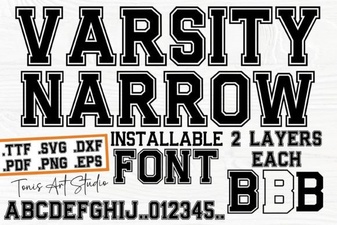 Creative Projects with the Varsity Narrow Font
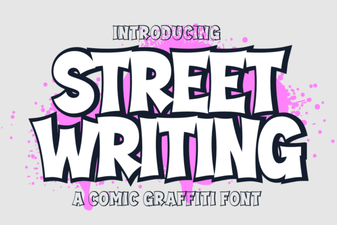 Urban Scripts: Design Tips & Creative Project Ideas
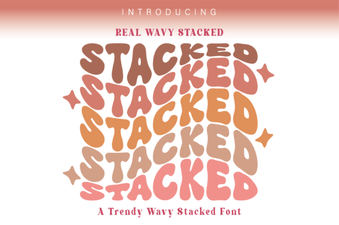 Wavy Stacked Fonts for Creative Design Projects
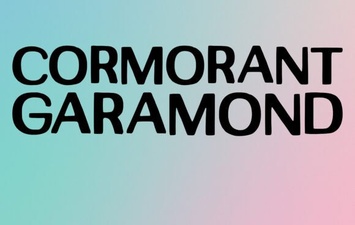 Unlock Elegant Typography with Cormorant Garamond
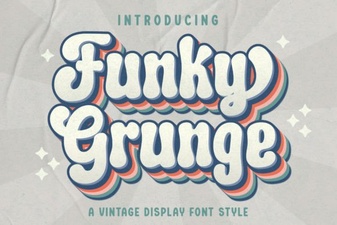 Unleash Your Designs with Funky Grunge Fonts