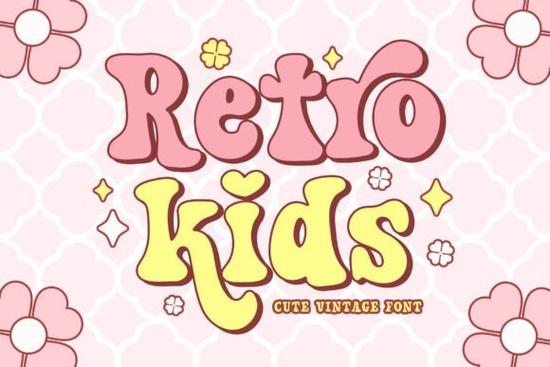
Finding the right typeface for nostalgic projects can be tricky. You want something that feels warm and familiar but still reads clearly on modern materials. The Retro Kids Font offers exactly that balance for creators working on vintage-inspired themes. It brings a cute serif style that captures groovy vibes without sacrificing legibility, making it a solid choice for anyone designing back-to-school graphics or summer apparel.
When you are building a collection for the school season, versatility matters. This typeface includes alternates for both uppercase and lowercase letters, giving you more options to customize your layout. You might want a classic look for a teacher's planner, but perhaps something sportier for a team shirt. If you need a more athletic feel to complement your design, you could explore narrow varsity styles that pair well with serif headers. Having these options allows you to keep a consistent theme while varying the energy of each piece.
What makes this typeface stand out for school projects?
The charm of this font lies in its specific weight and curvature. It avoids being too childish while still maintaining a playful edge. This is crucial when designing for parents who want cute items that don't look too babyish. For example, a birthday invitation using these letters feels special without being overwhelming. The vintage serif structure reminds people of old storybooks or classic signage, which adds a layer of trust and warmth to your brand.
For print-on-demand sellers, readability is key. Whether you are printing on a tote bag or a mug, the strokes need to hold up well. If you are creating designs for older kids or teenagers, you might find that bold street writing fonts work better for urban themes, but for elementary ages, this retro serif hits the sweet spot. It bridges the gap between fun and functional, ensuring your message is seen clearly from a distance.
Where can you use these letters in your shop?
Crafters often look for files that work across multiple mediums. This font family is suitable for sublimation, vinyl cutting, and digital printing. Imagine creating a set of summer camp stickers. The groovy vibes fit perfectly with sunflowers, retro buses, and warm color palettes. If you want to add some movement to those summer designs, consider mixing in stacked wavy effects for headlines while keeping the main info in this stable serif.
T-shirt design is another major use case. When preparing files for heat transfer, ensure you check the spacing between characters. Serif fonts can sometimes feel tight if the kerning isn't adjusted. You want the ink to breathe so the design doesn't look muddy after pressing. This is especially true for dark garments where light-colored ink needs to stand out. The alternate characters included in the download help you avoid repetitive shapes, making each word feel unique.
How do alternates help your layout?
Having multiple versions of the same letter allows you to fix awkward spacing issues without changing the font itself. You might find that one version of the letter "R" fits better next to an "O" than the default version. This level of control is essential for professional-looking logos or monograms. It saves time because you don't have to switch to a different typeface just to fix one visual clash.
Pairing is also important for creating depth. A solid serif like this works beautifully when contrasted with something handwritten. For notes or personal messages within a larger design, casual request scripts can add a human touch. This combination tells a story: the serif provides the structure, and the script provides the emotion. It is a classic design technique that never goes out of style.
Color usage can further enhance the retro feel. While this font looks great in solid black or white, it also handles multi-layer effects well. If you are feeling adventurous with your color theory, you might look at colorful duo combinations for inspiration on how to layer shadows or outlines. Adding a subtle drop shadow in a contrasting color can make the letters pop off a t-shirt or sticker sheet.
Quick Checklist for Using Retro Serifs
Before you finalize your design files, run through these practical steps to ensure quality:
- Check Kerning: Adjust space between specific letter pairs to avoid collisions.
- Test Contrast: View your design on both light and dark backgrounds to ensure readability.
- Use Alternates: Swap out repetitive letters to keep the text looking organic.
- Verify Size: Make sure the serif details don't disappear when scaled down for small stickers.
- Pair Wisely: Combine with a simple sans-serif or script for body text to maintain hierarchy.
Taking these small steps ensures your final product looks professional whether it ends up on a classroom wall or a customer's wardrobe. The goal is to make the design process smoother so you can focus on creativity rather than fixing technical issues later.
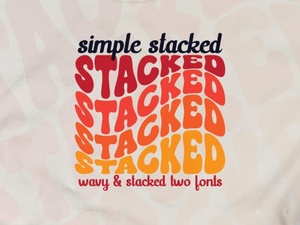 Easy Stacked Typography Design Tutorial
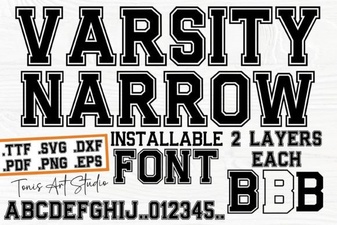 Creative Projects with the Varsity Narrow Font
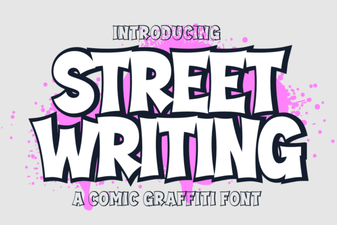 Urban Scripts: Design Tips & Creative Project Ideas
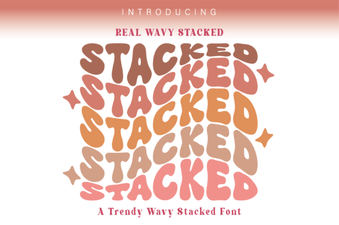 Wavy Stacked Fonts for Creative Design Projects
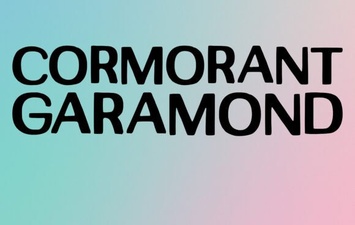 Unlock Elegant Typography with Cormorant Garamond
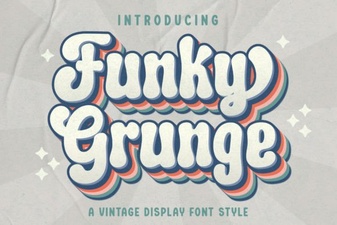 Unleash Your Designs with Funky Grunge Fonts