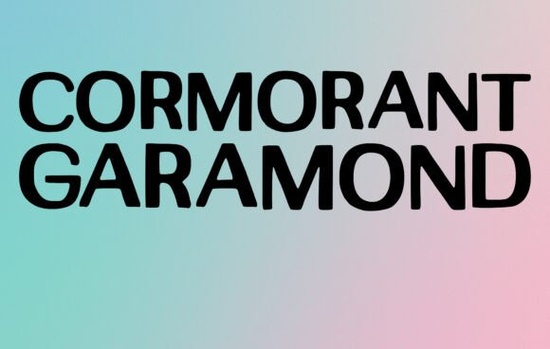
Choosing the right typography can make or break a design project. If you are looking for a typeface that balances elegance with readability, the Cormorant Garamond Font is a strong contender. This font is designed to be a true favorite and it has the potential to take your creative ideas to the highest level. Whether you are creating wedding invitations or branding materials, having a versatile serif option in your toolkit is essential for professional results.
Many designers struggle to find a font that works well for both large headlines and smaller body text. Often, you need one typeface for the title and a completely different one for the paragraph content. This specific family solves that problem by offering multiple weights and styles that remain clear at any size. It saves time during the design process because you do not need to search for matching pairs constantly.
What makes this typeface suitable for both headlines and paragraphs?
The primary strength of this font lies in its legibility. Serif fonts sometimes look too traditional or heavy when used in small sizes, but this option maintains sharp edges and clear spacing. When you use it for magazine headlines, the letters stand out without feeling aggressive. Switching to body text does not require a font change because the characters remain easy to read on screens and print.
For small business owners creating social media graphics, consistency is key. Using a single font family for your quotes, captions, and cover images creates a cohesive brand identity. You can bold the titles for emphasis while keeping the regular weight for descriptions. This flexibility allows you to maintain a professional look across Instagram, Facebook, and your website without cluttering your design with too many typefaces.
Where does this style fit best in commercial projects?
This font would be perfect for many different designs for magazine headlines, t-shirts, social media, branding, wedding invitations, cards, etc. Print-on-demand sellers often need text that looks expensive but reads quickly. A serif style like this adds a touch of sophistication to apparel designs, especially when paired with simple graphics.
Wedding stationery is another area where this typeface shines. Invitations require a formal tone, and the classic curves of this font convey elegance naturally. You can use it for the main names of the couple and still rely on it for the event details and venue information. This ensures the entire card feels unified rather than patched together with mismatched styles.
How does it compare to other display options?
While classic serifs are versatile, sometimes your project needs a different vibe. If you are working on a project that requires more energy, you might explore graffiti-inspired lettering for a bold urban look. Alternatively, if you are designing for a younger audience, browsing nostalgic children's themes could provide the playful touch you need.
For those who prefer to stick with structured layouts, there are other ways to arrange your text. You might consider minimalist layered words to create impact without changing the typeface itself. If you want something more organic, looking into curved text effects can add movement to a static design. However, for pure readability and class, you can always return to this specific serif collection as a reliable baseline.
Technical considerations for designers
Before integrating this into your workflow, check the file formats included. Most professional fonts come in OTF or TTF formats, which work with standard design software like Adobe Illustrator, Photoshop, and Canva. Ensure your software supports the specific weights you plan to use, such as light, regular, bold, or italic.
Also, verify the licensing terms if you plan to sell products. Many fonts allow personal use but require a commercial license for items like t-shirts or logos. Always read the included readme file or the product page details to avoid legal issues down the line. Proper licensing protects your business and respects the work of the type designer.
What should you check before downloading for business use?
It is important to confirm that the font supports the languages you need. Global brands often require extended character sets to accommodate different alphabets or special symbols. Test the font in your actual design environment before committing to a large project. Print a sample sheet to see how the ink sits on the paper, as screen rendering can sometimes differ from physical output.
Keep your design library organized. When you download new assets, name the files clearly and store them in a dedicated folder. This makes it easier to locate the right tool when you are under a deadline. A well-organized system prevents you from buying duplicate fonts or losing track of your commercial licenses.
- Verify Licensing: Confirm if the license covers commercial products like merchandise or client logos.
- Test Readability: Print a sample at actual size to ensure small text remains clear.
- Check Character Set: Ensure all necessary symbols and language characters are included.
- Organize Files: Save the font files in a labeled folder for easy access during future projects.
- Pair Carefully: If mixing fonts, choose a simple sans-serif to complement this serif style.
Starting with a reliable typeface simplifies the design process. By choosing a versatile option, you reduce the time spent searching for replacements and focus more on layout and composition. Whether you are a hobbyist making cards for friends or a seller launching a new store, having a dependable font is a practical investment.
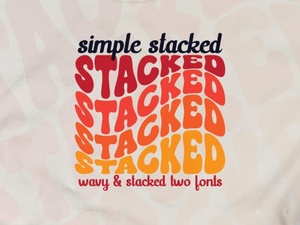 Easy Stacked Typography Design Tutorial
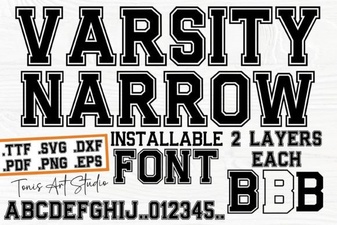 Creative Projects with the Varsity Narrow Font
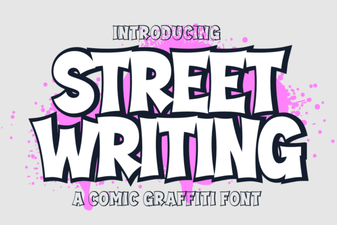 Urban Scripts: Design Tips & Creative Project Ideas
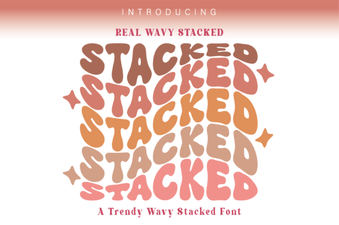 Wavy Stacked Fonts for Creative Design Projects
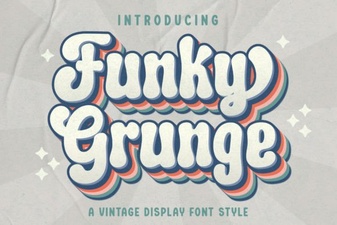 Unleash Your Designs with Funky Grunge Fonts
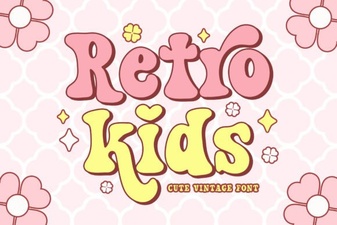 Bring Retro Font Fun to Kids' Designs