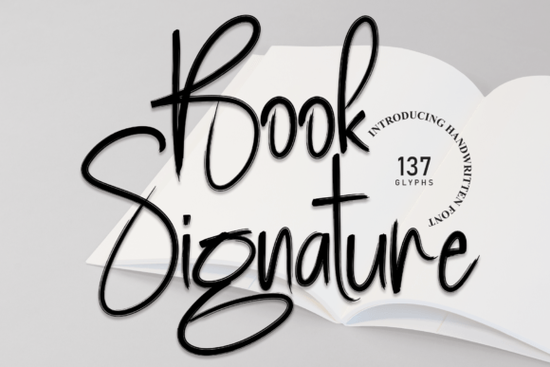
Choosing the right typography can make or break a creative project, especially when you need something that feels personal and refined. The Book Signature Font offers a delicate, elegant, and flowing handwritten style that fits well across various design needs. Its well-balanced characters ensure readability while maintaining a sophisticated look, making it a strong choice for designers who want authenticity without sacrificing clarity. Whether you are creating wedding invitations, branding materials, or print-on-demand products, this typeface provides the warmth of a human touch.
Script fonts often struggle with legibility on smaller screens or intricate backgrounds, but this option manages to stay clear. The strokes are smooth, and the spacing between letters feels natural, mimicking real handwriting. This balance allows it to work in both digital and print formats. When you download the file, you typically get formats compatible with major design software like Adobe Illustrator, Photoshop, and even cutting machines for crafters. This versatility means you do not need to switch fonts constantly when moving from a logo draft to a physical product mockup.
What projects work best with this typeface?
This font shines in contexts where elegance and personality are key. Wedding stationery is a natural fit, as the flowing lines complement floral motifs and soft color palettes. Beyond invitations, it works well for branding elements like logos, watermarks, and social media quotes. Small business owners often use scripts like this to add a boutique feel to packaging labels or thank-you cards. For print-on-demand sellers, it looks great on mugs, tote bags, and wall art where a personal message is the focal point.
If you are looking for similar signature styles for branding, you might explore options such as Background which offers a distinct handwritten vibe. It is important to test your text at different sizes. While it looks beautiful in large headings, ensure the fine lines do not disappear when shrunk down for business cards or mobile screens. Adjusting the tracking slightly can help maintain clarity without losing the connected feel of the script.
How do you pair script fonts without cluttering the design?
Pairing a script with a secondary font is essential for hierarchy. Since this typeface is decorative, it should be paired with a clean sans-serif or a simple serif for body text. This contrast prevents the design from feeling too busy. For example, use the script for the main headline and a neutral font for the details below. If you want to experiment with other script pairings, you could look into similar flowing styles like Soulmate to see how different weights interact.
Seasonal projects also benefit from careful pairing. During the holidays, you might combine this elegant script with a bold display font for contrast. If you are designing specifically for festive themes, checking out seasonal scripts like Christmas Lights can give you ideas on how to mix decorative elements without overwhelming the viewer. Remember to leave enough white space around the text. Crowding a delicate font reduces its impact and makes it harder to read.
Does the style match specific regional vibes?
Typography often carries a geographical or cultural feeling. This particular font feels timeless and universal, but it can lean towards a classic European or coastal aesthetic depending on how you use it. For designs that need a relaxed, west coast feel, you might compare it with styles that evoke that warmth, such as the vibes found in California. Understanding the mood your font conveys helps you align it with your brand voice. A luxury brand might use it sparingly for accents, while a lifestyle blog could use it more frequently for headers.
Sometimes you need something bolder to stand out against heavy graphics. If your design requires more weight or a stronger presence, consider bold choices like Masterday as an alternative for headings while keeping this font for signatures or tags. Testing different combinations in your design software before finalizing ensures the final product looks professional. Always view your design in black and white first to check contrast before adding color.
What should you know about licensing and files?
Before using any typeface for commercial projects, always review the license included with the download. Most fonts on creative marketplaces allow for personal and commercial use, but there may be restrictions on the number of end products or requirements for attribution. Keeping track of your licenses helps protect your business from legal issues down the line. For more information on typography standards, you can refer to external resources like Google Fonts to understand general licensing terms.
Installation is usually straightforward. After downloading the ZIP file, extract the OTF or TTF files and install them on your system. Restart your design software to see the font appear in your list. Organizing your fonts into folders by style helps speed up your workflow when you are searching for the right match during a deadline. Keeping a library of go-to scripts saves time and ensures consistency across your projects.
Quick Checklist for Using Script Fonts
- Check Legibility: View your design at 100% zoom and from a distance.
- Pair Wisely: Combine with simple sans-serifs for body text.
- Verify License: Confirm commercial use rights before selling products.
- Test Backgrounds: Ensure enough contrast between text and image.
- Save Versions: Keep editable files in case clients request changes.
Taking these steps ensures your designs remain professional and your workflow stays smooth. With the right tools and attention to detail, you can create beautiful work that resonates with your audience.
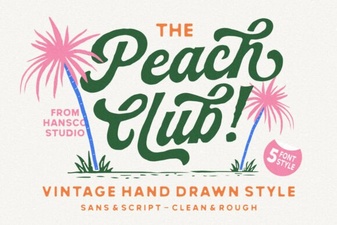 A Stylish Peach Club Font for Your Creative Projects
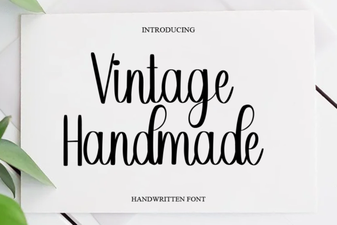 Creative Projects with Vintage Handmade Fonts
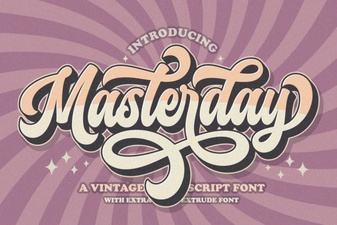 Masterday Font: Creative Typeface for Digital Design
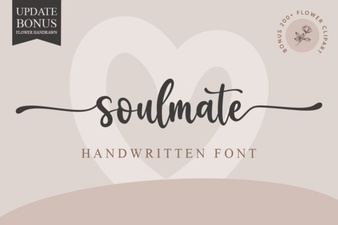 Soulmate Font for Creative Projects & Design
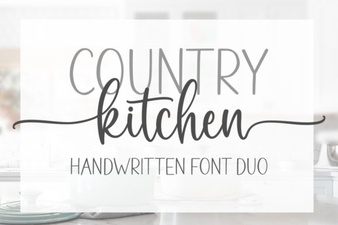 Country Kitchen Fonts for Cozy Craft Projects
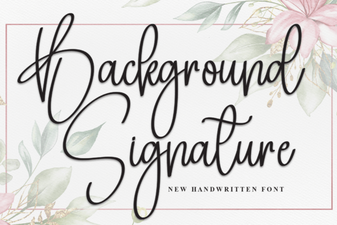 Designing with Unique Background Signature Fonts