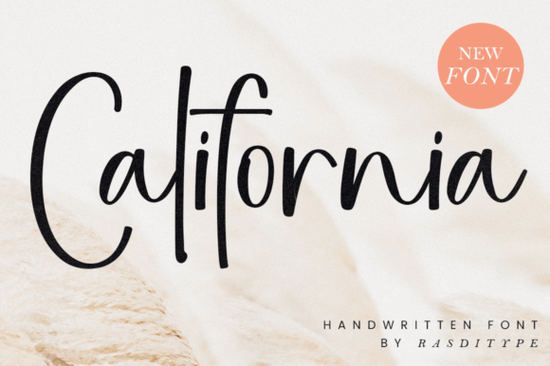
Finding a handwritten typeface that feels both personal and professional can be tricky. You want something that stands out without looking messy or hard to read. The California Font offers a solution for creators needing that balance. It is designed to work well across different mediums, from digital screens to printed paper. Whether you are building a brand identity or adding a personal touch to client work, having a versatile script in your toolkit is essential.
This typeface brings a distinct, timeless style that fits modern design trends while keeping a classic handwritten feel. It is not just about aesthetics; functionality matters too. A good font needs to remain legible at various sizes, whether it is on a business card or a large website banner.
What kinds of projects suit this handwritten style?
Designers often ask where a specific script fits best. Because of its clean strokes and natural flow, this font works well for logos that need to feel approachable. It is also a strong choice for wedding stationery. Invitations and save-the-dates benefit from lettering that looks like it was penned by hand, adding a layer of intimacy to the event.
Photography watermarks are another great use case. You need something that protects your image without distracting from the photo. The distinct style helps your brand stay visible without overpowering the visual content. For modern websites, it serves as an excellent accent for headings or call-to-action buttons, breaking up the monotony of standard sans-serif body text.
If you are exploring different vibes, you might compare it to other options. For a cozier, homey feel, you might look at styles similar to rustic script options. If you need something with more weight and presence, bolder brush styles could be worth considering. Knowing when to switch between these types helps you match the font to the mood of the project.
How does it compare to other script options?
Not all handwritten fonts are created equal. Some are too messy for professional use, while others are too rigid. This particular font sits in a comfortable middle ground. It has personality but maintains structure. When comparing it to rounded typefaces, you will notice this one is sharper and more elegant. It lacks the playful bulk of chubby fonts, making it more suitable for formal contexts like branding or high-end packaging.
For those who love a retro aesthetic, there are retro textured options available that include grunge or worn effects. However, if you need a clean look for digital use, a smooth script like this one is often more versatile. It scales better on screens where texture can sometimes look like noise. On the other end of the spectrum, if you need something very minimal, minimalist signing styles might be too thin for main logos but work well for secondary text.
Is it easy to install and use?
Most modern fonts come in standard formats like OTF or TTF, which work on both Mac and PC systems. Installation is usually straightforward: download the file, open it, and click install. Once installed, it appears in your design software like Adobe Photoshop, Illustrator, or Canva. Always check the file types included in your download to ensure compatibility with your specific tools.
Pairing is another important factor. Handwritten scripts pair best with simple sans-serif or serif fonts. Avoid using two scripts together as it creates visual clutter. Use the script for emphasis and a simpler font for body copy. This hierarchy guides the reader's eye and makes the design easier to digest.
What should you check before downloading?
Licensing is critical for small businesses and print-on-demand sellers. Always read the license agreement to understand where you can use the font. Some licenses allow personal use only, while others permit commercial projects. If you plan to sell products featuring this typography, ensure you have the correct commercial license. This protects you from legal issues down the line.
Also, consider the language support. If you work with international clients, check if the font includes special characters or glyphs needed for different languages. Good font families often include alternates and ligatures that let you customize the look further, preventing repetitive letter shapes in your designs.
Quick Checklist for Using Script Fonts
- Check Licensing: Verify commercial rights before selling products.
- Test Legibility: Print a sample at small sizes to ensure readability.
- Pair Carefully: Combine with simple sans-serif fonts for balance.
- Use Alternates: Swap out repeated letters to keep the text looking natural.
- Backup Files: Save your font files in a dedicated folder for easy access.
Taking these steps ensures you get the most out of your typography choices. With the right preparation, you can create spectacular designs that resonate with your audience.
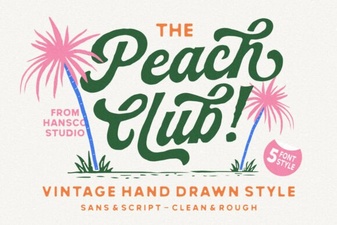 A Stylish Peach Club Font for Your Creative Projects
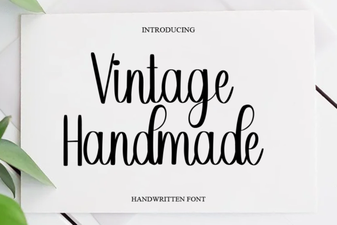 Creative Projects with Vintage Handmade Fonts
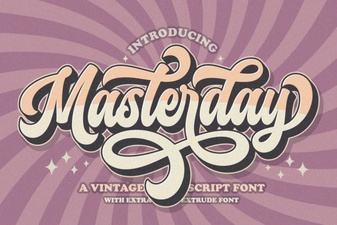 Masterday Font: Creative Typeface for Digital Design
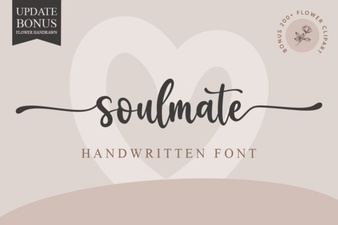 Soulmate Font for Creative Projects & Design
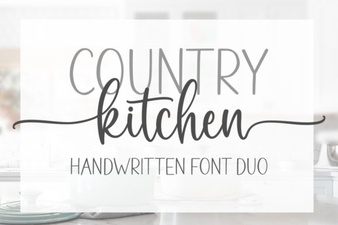 Country Kitchen Fonts for Cozy Craft Projects
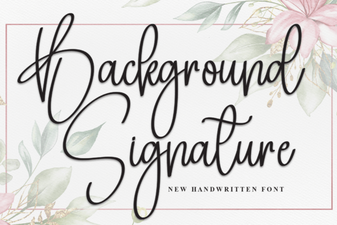 Designing with Unique Background Signature Fonts