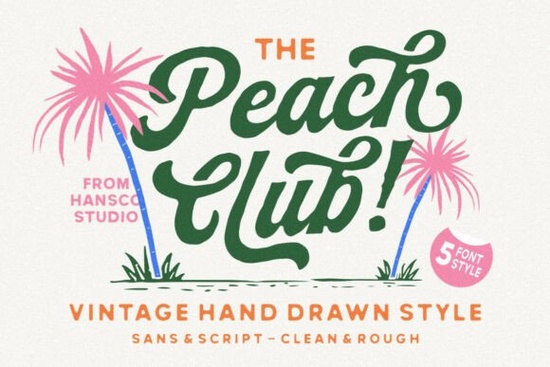
Finding the right typeface pairing can be tricky when you want something that feels personal but still reads clearly. Many designers struggle to balance personality with professionalism, especially when working on branding or packaging. The Peach Club Font addresses this by combining a hand-drawn script with a clean sans serif. This combination gives you the warmth of handwriting without sacrificing legibility in smaller sizes. It is a solid choice for creators who need versatility across different projects, from logos to social media graphics.
What makes this script feel authentic?
The appeal of this typeface lies in its imperfections. Unlike rigid digital fonts, the script portion features natural strokes and smooth curves that mimic real pen pressure. These authentic hand-drawn details give your designs a warm, nostalgic personality. When customers see this style, they often associate it with small businesses, artisanal products, and care. The sans serif counterpart ensures that when you need to display information clearly, such as ingredients on a label or details on a flyer, the text remains easy to read. This duality allows you to maintain a consistent brand voice without switching between unrelated font families.
Where does this typeface work best?
Because of its versatile nature, this bundle fits well in several creative industries. It is particularly effective for logos and branding where you want to convey friendliness and approachability. Packaging is another strong use case, especially for food products, cosmetics, or handmade goods. The script draws the eye to the product name, while the sans serif handles the regulatory text or descriptions. Print-on-demand sellers can also benefit when creating designs for apparel or home decor. The vintage-inspired artwork style resonates with current trends in boho and retro aesthetics. If you are building a visual identity for a cafe, boutique, or craft shop, this pairing provides a cohesive look.
How does it compare to other handwritten styles?
Not every project needs the same level of complexity in its typography. Sometimes you need something more minimal. If you are looking for cleaner signature styles that are less decorative, you might explore minimalist scripts instead. On the other hand, if your design requires more weight and presence, you might prefer thicker lettering options that stand out on dark backgrounds. For projects aimed at a younger or more playful audience, there are fun handwritten types that offer a bouncier feel.
Context matters when choosing a font. For example, if you are designing for a rustic bakery or a home-based business, homey design types might align better with that specific cozy vibe. Seasonal projects also require specific attention. While this font works year-round, you might need holiday-themed lettering when creating specific seasonal marketing materials. Understanding these nuances helps you build a library of tools rather than relying on a single solution for every job.
What are the best practices for pairing scripts with sans serifs?
When using a script and sans serif combination, contrast is key. You want the two styles to complement each other without competing. Use the script for headlines or the main logo element to establish emotion. Then, use the sans serif for body text, subheaders, or captions. Avoid using the script for long paragraphs, as readability can suffer. Keep the sizing balanced; the script should generally be larger to be legible. Also, pay attention to spacing. Hand-drawn fonts often need slightly more breathing room than standard geometric fonts. Testing your layout on different devices ensures that the pairing holds up on mobile screens as well as desktop monitors.
Is this suitable for commercial licensing?
Most assets found on marketplaces like Creative Fabrica come with licenses that allow for commercial use, but you should always verify the specific terms. For small businesses and POD sellers, having a commercial license is essential to avoid legal issues down the line. This font bundle is designed with creators in mind, meaning you can typically use it for client work or products you intend to sell. Always keep a record of your license agreement. This protects you if questions arise about your design assets later. Knowing your rights allows you to work with confidence and focus on creativity rather than legal worries.
Quick checklist before you start designing
Before you finalize your project files, run through these practical steps to ensure quality:
- Check legibility: View your design at 100% zoom to ensure the script strokes are clear.
- Test contrast: Make sure the text stands out against your background color or image.
- Verify licensing: Confirm your download includes the commercial rights you need.
- Export formats: Save your final logos as vectors (SVG or EPS) for scalability.
- Mockup review: Place your design on a realistic mockup to see how it looks in context.
Taking these small steps helps prevent common errors and ensures your final output looks professional. Whether you are updating a brand identity or creating a new product listing, having the right tools makes the process smoother.
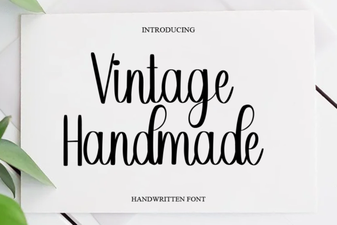 Creative Projects with Vintage Handmade Fonts
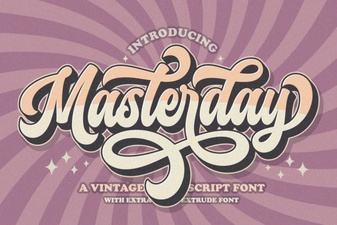 Masterday Font: Creative Typeface for Digital Design
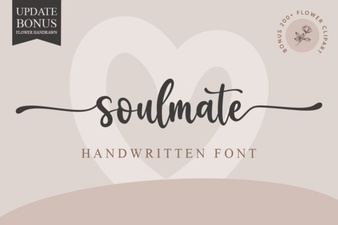 Soulmate Font for Creative Projects & Design
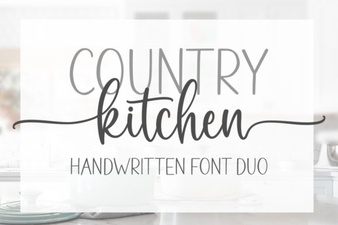 Country Kitchen Fonts for Cozy Craft Projects
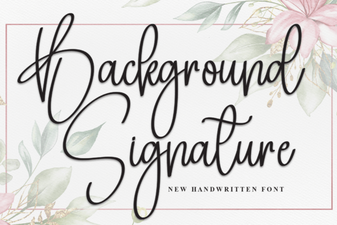 Designing with Unique Background Signature Fonts
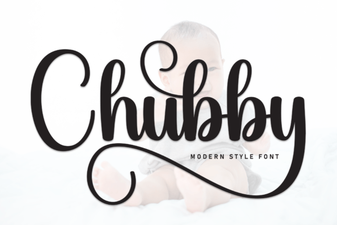 Playful Chubby Fonts for Friendly Design Projects