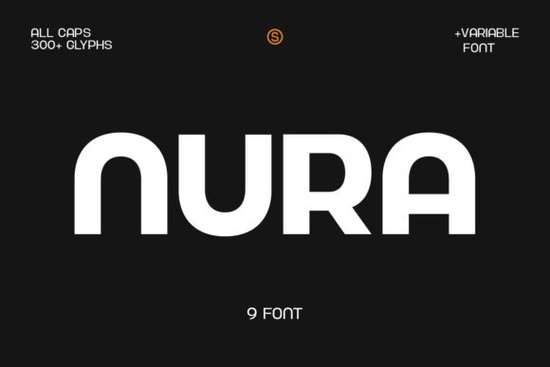
Choosing the right typography is often the most critical step in establishing a visual identity. When you need something clean and versatile, a simple sans serif typeface can make a significant difference. The Nura Font is a great example of this style, offering neat lines that work well for various creative tasks. Whether you are designing a logo for a startup or creating headlines for a social media campaign, having a reliable typeface in your toolkit saves time and ensures consistency. Many designers look for options that remain legible even at smaller sizes or when printed on textured materials.
What projects benefit from clean sans serif typography?
This specific style shines when clarity is the main goal. Because the letters lack decorative feet or complex swirls, they are easy to read from a distance. This makes them ideal for posters, signage, and block letters where the message needs to be understood quickly. For small businesses, using a professional typeface helps build trust with customers. It suggests that the brand is modern and organized. You might use it for subheadings in a brochure where the body text is a serif font, creating a nice contrast that guides the reader's eye through the content.
Branding projects also rely heavily on these kinds of fonts. A logo needs to be scalable, meaning it should look good on a business card and a billboard. Simple geometric shapes within the letters ensure that the design does not lose detail when shrunk down. If you are working on a corporate identity, this level of neutrality allows the color palette and iconography to take center stage without competing with overly decorative text.
How does this style work for print-on-demand sellers?
For those selling custom merchandise, readability is key. T-shirts, mugs, and tote bags often have limited print areas. A neat sans serif ensures that quotes or brand names do not become muddy when transferred onto fabric. When customers browse online stores, they often zoom in on product images. If the text is too thin or intricate, it might look blurry on a screen. This typeface maintains its structure well, which is crucial for high-quality mockups.
Additionally, many print-on-demand platforms have specific requirements for file types and resolution. Using a font with clear weights helps when you need to bold certain words for emphasis without changing the typeface family. Consistency across different products helps build a recognizable shop aesthetic. Customers are more likely to return if they recognize your style immediately when they see a new listing in their feed.
Are there alternative typefaces to consider?
While this font is excellent, it is always good to explore similar options to see what fits your specific project best. Sometimes you might need something with slightly more character or different weight variations. If you are looking for similar geometric styles, you might explore options like TRT Burn to compare the letterforms. Having a few different sans serif choices allows you to match the mood of the design more accurately. Some projects require a warmer feel, while others need a strictly industrial look.
Comparing different files side by side can help you decide which one offers better kerning or language support. It is common for designers to purchase a bundle of fonts to ensure they have enough variety for future work. This prevents the need to rush a purchase decision when a deadline is approaching. Building a library of trusted typefaces is a smart long-term strategy for any creative professional.
Where can you download the files safely?
Getting your assets from a reputable source ensures that the files are free from errors and malware. You can find the Nura Font on the marketplace, where you can preview the glyphs before committing. Downloading from established platforms also provides access to customer support if you encounter installation issues. Most reputable sites offer files in standard formats like OTF and TTF, which work across Windows and Mac operating systems.
Webfont versions are also important if you plan to use the typography on a website. Ensure the license covers web usage if you intend to embed the letters directly into your site's code. Some licenses are restricted to personal use, while others allow for unlimited commercial projects. Always read the terms carefully to avoid legal complications down the line.
What details should you check before purchasing?
Before you finalize any design asset, review the included features. Does the package come with italics or bold variants? Having a full family gives you more flexibility when laying out text. You can verify these details by visiting this specific product page to see the full specification list. Knowing what is included helps you plan your design system without needing to buy additional weights later.
Also, check for multilingual support if you are designing for an international audience. Some fonts only cover basic Latin characters, which might limit your reach. A professional typeface should ideally include accented characters and punctuation marks needed for various languages. This small detail can save you from having to swap fonts midway through a project.
How do you pair it with other fonts?
Pairing typography is an art form that relies on contrast. Since this typeface is neutral, it pairs well with script fonts for a modern yet personal touch. You might use the sans serif for main headlines and a handwritten style for signatures or accents. Alternatively, pairing it with a traditional serif font can create a sophisticated editorial look suitable for magazines or high-end branding.
Avoid pairing it with another geometric sans serif unless they are distinctly different in weight or width. Too much similarity can make the design look accidental rather than intentional. Test your combinations by printing them out or viewing them on different devices. What looks good on a desktop monitor might feel cramped on a mobile screen.
- Check Licensing: Confirm if the license allows commercial use for your specific project type.
- Test Readability: Print a sample at the intended size to ensure clarity.
- Verify Formats: Ensure you have the file types needed for print or web.
- Review Glyphs: Look for special characters or alternates that add uniqueness.
- Compare Options: Look at similar fonts to ensure this is the best fit for your brand.
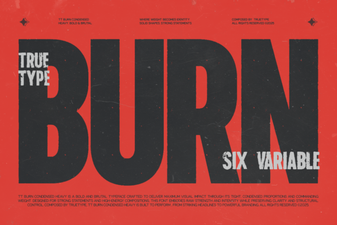 Trt Burn Font: Creative Design Project Ideas
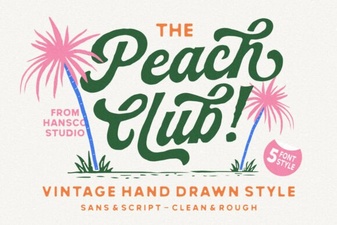 A Stylish Peach Club Font for Your Creative Projects
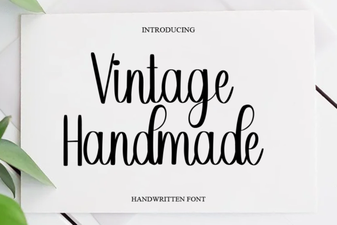 Creative Projects with Vintage Handmade Fonts
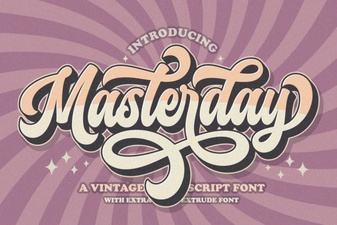 Masterday Font: Creative Typeface for Digital Design
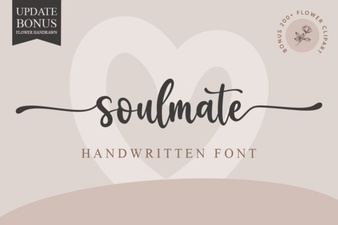 Soulmate Font for Creative Projects & Design
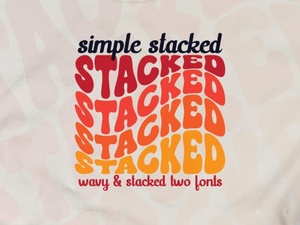 Easy Stacked Typography Design Tutorial