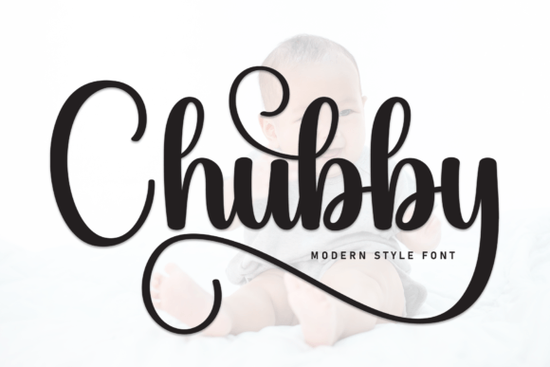
Finding the right typeface for a project often comes down to the feeling you want to convey. If you are looking for something warm and approachable, the Chubby Font is a strong contender. This sweet and friendly handwritten font brings a natural style that fits well across many different design needs. Whether you are making invitations, labeling homemade goods, or creating print-on-demand products, the unique style offers flexibility without losing character.
Designers and crafters often struggle to find handwriting styles that look authentic rather than overly polished. This typeface bridges that gap by maintaining a casual flow while remaining legible. It works particularly well for projects that require a personal touch. When you browse through the specific script details, you will notice how the curves and weights are balanced to stand out on both light and dark backgrounds.
What kinds of projects work best with this style?
The versatility of this font makes it suitable for a wide range of applications. Small business owners often use it for branding elements like logos or packaging labels. Because the letters have a soft appearance, they create a welcoming vibe for customers. It is also a popular choice for print-on-demand sellers creating designs for t-shirts, mugs, and tote bags. The thickness of the strokes ensures the text remains readable even when scaled down for smaller items.
Hobbyists involved in paper crafts will find this useful for scrapbooking layouts or greeting cards. The natural flow mimics real handwriting, which adds sentimentality to personal messages. If you are designing for a kitchen-related product, you might also explore country kitchen themes to see how similar styles complement rustic decor. Pairing this typeface with simple icons or floral elements can enhance the overall aesthetic without cluttering the design.
How do you pair it with other design elements?
When combining fonts, contrast is key. Since this script has a rounded and bold presence, it pairs nicely with clean sans-serif fonts for body text. This combination ensures that important information stands out while the headline grabs attention. For digital designs, consider how the text looks on different screens. You might want to check out background signature options if you plan to overlay text on busy images. Keeping the background simple allows the handwritten style to shine.
Color choice also plays a significant role. Dark colors like navy or charcoal work well for a professional look, while pastels can enhance the friendly nature of the script. If you are creating something for a literary project or author branding, looking into book signature styles can provide inspiration on how to use handwriting for titles and chapter headings. The goal is to maintain consistency throughout your project so the design feels cohesive.
Are there similar styles to consider?
While this font is unique, sometimes you need variations to match a specific mood. If you prefer something with more age or texture, you might look at vintage handmade collections. These options often include distressed elements that work well for retro-themed designs. However, for a clean and modern handwritten look, sticking with the original choice is often best. It saves time on adjustments and ensures high-quality output for both print and web.
For those referencing typography trends, it helps to look at external resources. You can read more about how handwritten styles impact user perception in this Chubby Font reference guide. Understanding the psychology behind font choices can help you make better decisions for your clients or personal projects. Always test your designs in real-world scenarios before finalizing them.
Quick Design Checklist
- Test Legibility: Ensure the text is readable at small sizes before printing.
- Check Contrast: Verify that the font color stands out against the background.
- Pair Wisely: Combine with simple sans-serif fonts for body copy.
- Review Licensing: Confirm the license covers your intended use, especially for commercial products.
- Get Feedback: Show drafts to others to ensure the tone matches your goal.
Taking these steps ensures your final design looks professional and communicates the right message. Whether you are selling products or creating gifts, the right typography makes a significant difference in how your work is received.
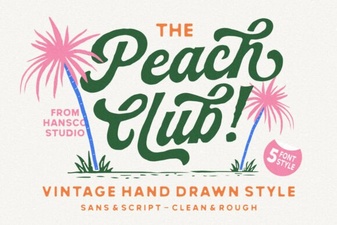 A Stylish Peach Club Font for Your Creative Projects
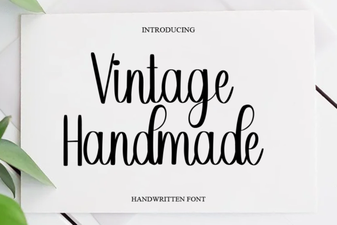 Creative Projects with Vintage Handmade Fonts
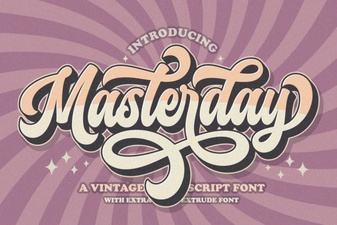 Masterday Font: Creative Typeface for Digital Design
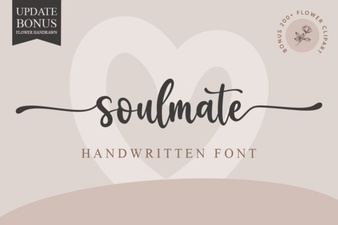 Soulmate Font for Creative Projects & Design
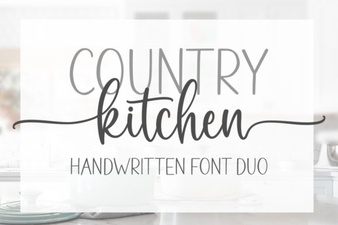 Country Kitchen Fonts for Cozy Craft Projects
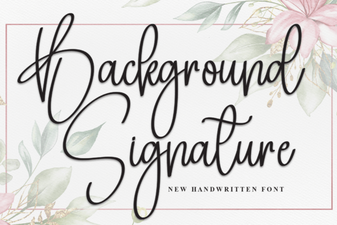 Designing with Unique Background Signature Fonts