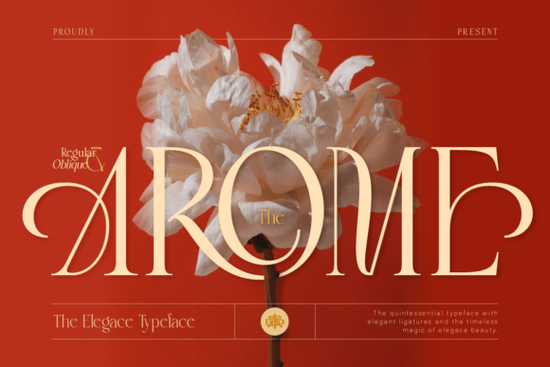
Choosing the right typography for a project often determines whether a design feels generic or professional. When you need something that conveys sophistication without being overly complicated, a refined serif typeface is usually the best choice. The Arome Font is designed specifically for this purpose, offering high contrast strokes and delicate details that suit luxury branding and editorial work. It balances classic structures with modern spacing, making it versatile for both print and digital media.
Designers often struggle to find a font that looks expensive but remains readable. This typeface addresses that by providing clear letterforms that do not sacrifice style for legibility. The curves are graceful, and the weight distribution creates a natural flow across lines of text. Whether you are creating a logo for a boutique or setting text for a wedding invitation, the visual tone is consistent and polished.
What projects work best with this typeface?
This font shines in contexts where elegance is a priority. It is particularly effective for wedding invitations where a romantic feel is required. The high contrast strokes mimic the pressure of a calligraphy pen, adding a human touch to digital designs. Beyond weddings, it is suitable for fashion editorials and magazine layouts where headlines need to stand out without shouting.
Small business owners selling beauty or lifestyle products can also benefit from this style. Packaging design relies heavily on typography to communicate value, and a serif with this level of detail suggests quality. Social media content also performs well when the text is easy to read but visually distinct. If you are looking to browse more refined serif options for similar projects, you can view the full style set here to compare different weights and variations.
For print-on-demand sellers, using a distinctive font can help products stand out in crowded marketplaces. T-shirts, mugs, and tote bags featuring elegant typography often appeal to customers looking for subtle design elements rather than loud graphics. The Regular and Oblique styles included in the package allow for enough variation to create hierarchy within a single design without needing to purchase additional families.
How do the stylistic features help my design?
One of the strongest aspects of this typeface is the inclusion of stylistic alternates and ligatures. These features allow you to customize how letters connect or appear, preventing your text from looking like default system typography. By swapping out standard characters for alternates, you can create unique logotypes that feel bespoke. This is crucial for branding where uniqueness is a key requirement.
The file types provided cover most standard workflows. You receive OTF, TTF, and WOFF files, ensuring compatibility with design software like Adobe Illustrator, Photoshop, and web platforms. Multilingual support is also included, which is essential for designers working with international clients. Every letter is crafted to flow naturally, reducing the need for manual kerning adjustments in many cases.
Are there other styles to consider for variety?
While this serif is excellent for elegance, sometimes a project requires a different emotional tone. If you are building a brand identity that needs multiple font families, mixing serifs can add depth. For instance, projects might benefit from the distinctive styles found in Sparky Dream if you need a complementary look with different structural characteristics. Having a library of varied typefaces allows you to match the typography to the specific mood of each campaign.
Pairing fonts is a skill that improves with practice. When using a high-contrast serif like this one, it is often best to pair it with a simple sans-serif for body text. This creates a clear distinction between headlines and paragraphs. Avoid pairing it with another complex serif, as this can make the design feel cluttered and difficult to read. Keep the secondary font neutral to let the main typeface do the work.
What should I check before downloading?
Before integrating any new typography into your workflow, ensure it meets your technical requirements. Check the license terms to confirm you can use it for commercial projects, especially if you are selling end products like logos or merchandise. Most Creative Fabrica products come with a license suitable for small businesses, but it is always wise to verify. Also, test the font in your specific design software to ensure the ligatures and alternates are accessible through the glyph panel.
Here is a quick checklist to help you decide if this typeface fits your current needs:
- Define the mood: Does your project require a luxurious or romantic feel?
- Check readability: Test the font at small sizes to ensure the delicate details remain visible.
- Verify license: Confirm the license covers your intended commercial use.
- Plan pairings: Select a simple sans-serif to accompany this serif for body text.
- Test alternates: Explore the glyph map to find unique character combinations for logos.
Taking these steps ensures you get the most value from your purchase. Good typography is an investment in the quality of your work, and choosing the right tool makes the design process smoother. By understanding the features and limitations of your fonts, you can create designs that look professional and stand the test of time.
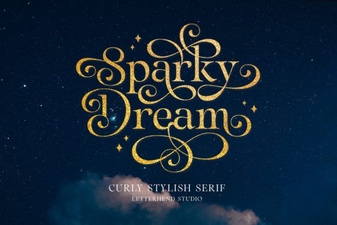 Sparky Dream Font for Creative Projects
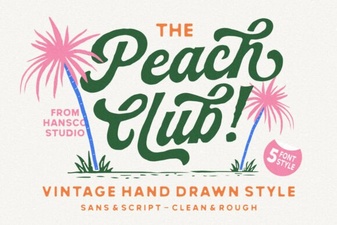 A Stylish Peach Club Font for Your Creative Projects
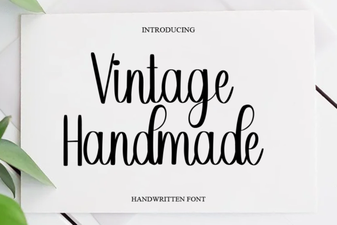 Creative Projects with Vintage Handmade Fonts
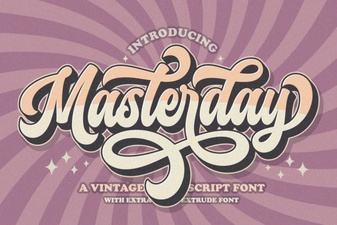 Masterday Font: Creative Typeface for Digital Design
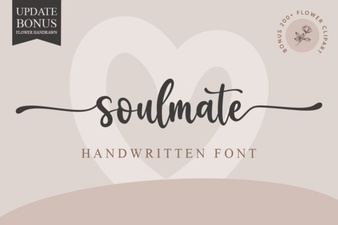 Soulmate Font for Creative Projects & Design
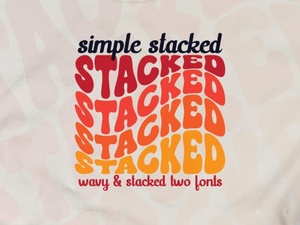 Easy Stacked Typography Design Tutorial